10-Year Treasury Yield Forecast: The Bond Market Is the Real Fed Trade This Week
The 10-year Treasury yield sits near 4.7% into the July 29 Fed decision. Why bond yields drive stocks, gold and bitcoin, and what a hike, hold or hawkish hold does to the curve.
TL;DR
- The 10-year Treasury yield sits near 4.7%, and the bond market, not the stock market, is where Wednesday's Fed decision gets priced first. Yields move, then everything else reprices off them.
- The setup is hawkish: May PCE printed 4.1%, the first 4-handle in three years, and markets have priced roughly 60% odds of a September hike.
- Rising real yields are already the reason gold is down 28% and Bitcoin lost a third of its value. This is the master variable.
- Three Fed outcomes, three curve reactions, and what each means for stocks. Below.
More on $TLT: 20-Year Bond Auction Aug 19: The 5.245% Record Line, an Hour Before the Fed Minutes →
Why Do Treasury Yields Matter This Week?
The 10-year Treasury yield is the price of money, and every other asset is valued against it. When the yield rises, future earnings are worth less today, which compresses the multiple on growth stocks; gold gets less attractive versus a bond that now pays more; and the riskiest assets get sold first. When it falls, all of that runs in reverse.
So Wednesday's decision hits bonds first, and stocks, gold, crypto and commodities all take their instructions from there.
The Board
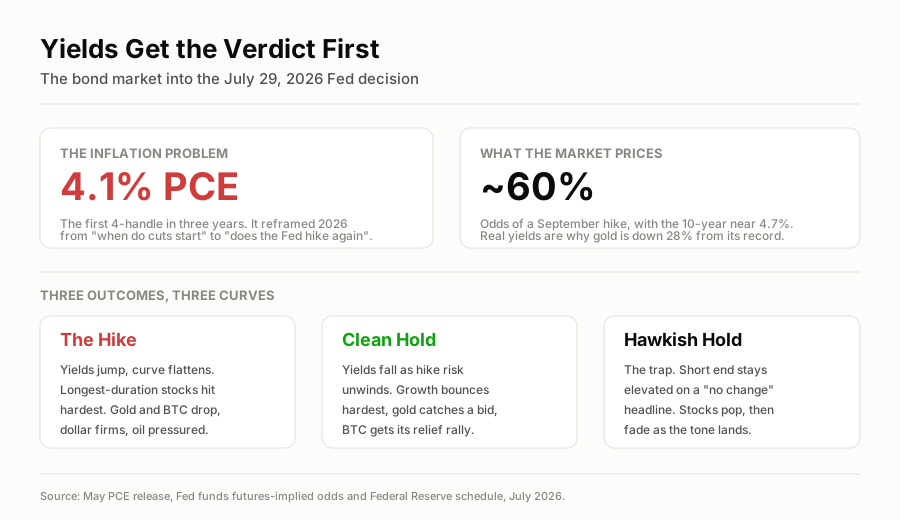
The inflation print and the hike odds on the left, the three ways Wednesday resolves on the right.
The Inflation Problem Behind It All
Everything traces back to one number. May PCE came in at 4.1%, the first reading with a 4-handle in three years. That single print reframed 2026 from "when do cuts start" to "does the Fed have to hike again," and it's why Kevin Warsh's first meeting as chair carries real two-sided risk instead of being a formality.
The oil spike from the Iran conflict fed directly into that inflation reading, which produced the year's strangest cross-asset result: a war that pushed gold down, because the market read the conflict as an inflation event, and inflation now means hikes.
Scenario 1: The Hike
Yields jump across the curve, with the short end moving most. The 10-year rises but less than the 2-year, flattening the curve, which is the bond market's way of saying "you're tightening into a slowdown." Stocks fall, with the longest-duration names (the Nasdaq 100) hit hardest. Gold and Bitcoin both drop. The dollar firms, which pressures oil.
Scenario 2: The Clean Hold
Yields fall as the market unwinds hike risk. Growth stocks bounce hardest, gold catches a bid for the first time in months, and Bitcoin gets its relief rally. This is the friendliest outcome for the four megacap earnings that follow, because it lets good numbers be rewarded rather than second-guessed.
Scenario 3: The Hawkish Hold
The Fed holds but signals it isn't finished. The short end stays elevated even as the decision itself is "no change," and this is the outcome that whipsaws people who traded the headline. Stocks pop, then fade as the tone sinks in. Our full scenario map is here.
What Bond Investors Should Watch
- The 2-year versus 10-year spread, not just the 10-year level. The spread tells you whether the market thinks the Fed is fighting inflation successfully or making a policy mistake.
- Real yields, not nominal. The inflation-adjusted yield is what actually drives gold and risk assets. A nominal yield rising alongside inflation expectations is a very different signal from one rising with them flat.
- The press conference, not the statement. As with stocks, tone sets the path. A hold delivered hawkishly can move yields more than a hike delivered gently.
The Playbook
- Long-duration bond funds are a leveraged bet on the Fed blinking. Funds like TLT gain most when yields fall hardest, and lose the same way. That's a macro call, not a safe haven, and it should be sized as one.
- If you own dividend stocks for yield, watch this print closely. Higher yields make a 6% dividend less special relative to a risk-free bond, which is why rate-sensitive income names sell off on hawkish news.
- Hedging equities via rates is often cheaper than hedging equities directly into a Fed meeting, because equity volatility is already bid up by the earnings stacked behind it.
- Don't trade the first move. The knee-jerk reaction in bonds reverses frequently once the full statement and press conference are digested.
The One-Line Read
The 10-year Treasury yield is the master variable this week: a 4.1% inflation print put a genuine hike back on the table, and whatever Wednesday does to yields will reprice stocks, gold, oil and Bitcoin in the same afternoon, so watch the curve and the press conference tone rather than the headline rate, because the bond market gets the verdict first and everything else just follows.
Next up:GDP, Wednesday at 8:30am ET →
More on $TLT
Updated Every Saturday
The Week Ahead
Every earnings date, Fed event and setup for the current trading week, on one page.
Refreshed Weekly
Earnings Calendar
Who reports next, when, and what consensus and the whisper expect.
The Week-Ahead Brief
Don’t miss next week’s setups. Get the Saturday brief.
Latest issue, Aug 17“The consumer cracked on Friday. Six retailers answer for it this week.”
Every Saturday: next week’s earnings dates, Fed days and the trades worth watching, from the same desk that writes the week-ahead hub. Free, built for retail investors.